
English| EUR
Suggested for you
More currencies
Choose a language
Canggu draws surfers, digital nomads and beachside travelers year-round, but rapid development has changed its safety landscape. This guide covers petty theft patterns, road hazards, rip current zones and the precautions that keep your visit incident-free.
Quick answer
Canggu is generally safe for travelers in 2026, with violent crime remaining rare and the main risks centered on traffic accidents, petty theft of unattended belongings, and strong ocean currents at certain beaches. Most incidents are preventable through standard precautions: secure your motorbike, avoid carrying valuables to the beach, and respect surf conditions posted at lifeguard stations.
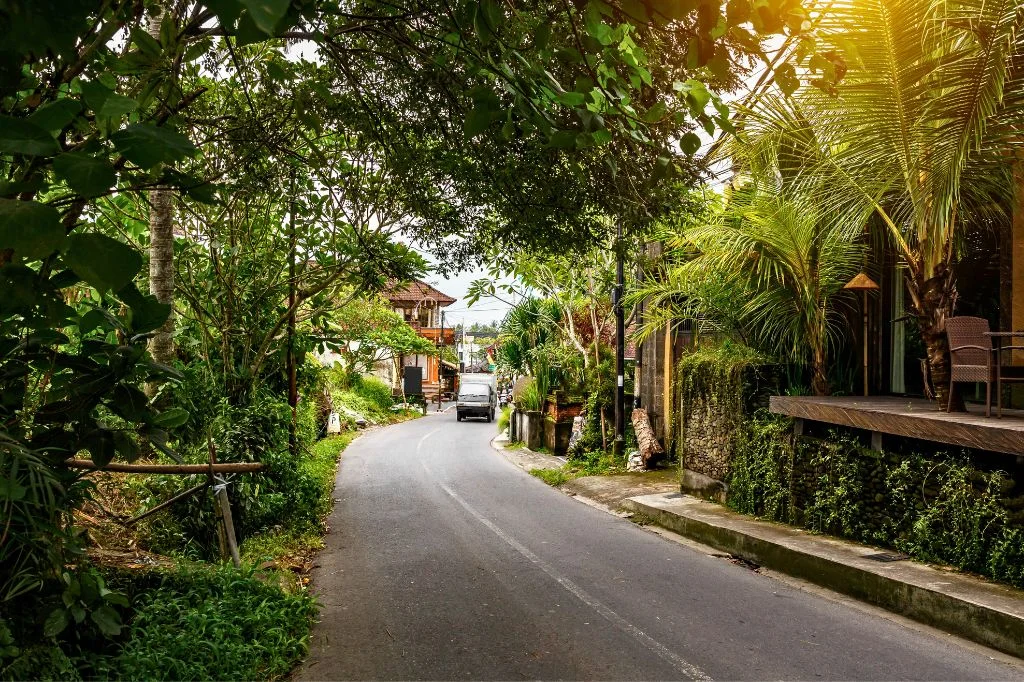
Canggu records fewer than a dozen serious crimes against tourists each year, but the village's transformation from rice paddies to villa clusters has introduced infrastructure strain that shapes its risk profile. The roads carry ten times the motorbike traffic they were built for, and the absence of footpaths on arterial routes pushes pedestrians into vehicle lanes during evening hours. Petty theft accounts for the majority of police reports filed by visitors. Unlocked motorbikes parked near Echo Beach disappear at a rate of two to three per week during high season, and bags left on beach mats while swimming are frequent targets between noon and 14:00 when the sand is most crowded. Hotel safes and locked accommodations see negligible breach rates, making secure storage the single most effective countermeasure. The local police post on Jalan Pantai Batu Bolong operates daily and responds to English-language reports, though recovery rates for stolen electronics remain below fifteen percent. Ocean safety in Canggu requires more active judgment than crime prevention. Batu Bolong and Berawa beaches generate powerful shorebreak and shifting sandbars that create unpredictable rip channels, particularly during the April-to-October swell season. Lifeguard coverage runs from 08:00 to 17:00 at the three main beach access points, and red flags mark no-swim zones updated each morning based on overnight tidal shifts. Non-swimmers and families with children are steered toward the sheltered cove at Nelayan Beach, where wave energy dissipates over a shallow reef shelf two hundred meters offshore. Navigating Canggu after dark requires situational awareness rather than fear. Street lighting remains sparse on secondary lanes, and the absence of sidewalks means sharing narrow roads with scooters whose drivers seldom reduce speed for pedestrians. Carrying a small flashlight and wearing reflective elements reduces near-miss incidents, particularly on the unlit stretch between Pererenan and the main Canggu hub. Solo travelers report feeling secure walking between venues in the central grid, though ride-hailing apps offer an inexpensive alternative when conditions feel uncertain.
“Hotel safes and locked accommodations see negligible breach rates, making secure storage the single most effective countermeasure.”
Canggu is a prominent coastal destination in the Badung Regency of Bali, known for its active tourism scene and evolving infrastructure. Understanding the local environment helps visitors navigate this busy area with greater awareness.
Canggu is part of the Badung Regency, which serves a large population and supports a high volume of international and domestic visitors throughout the year.
The area transitioned from a quiet agricultural village to a primary tourism hub over the last decade, leading to significant development and density changes.
Located in North Kuta, Canggu features a long stretch of coastline that experiences strong currents, requiring visitors to adhere to local water safety warnings.
The region maintains a diverse demographic, hosting a mix of local Balinese residents, long-term expatriates, and transient tourists.
The local economy is heavily anchored in the hospitality, surfing, and wellness industries, which drive the daily operations within the village.
Rapid development in Canggu has led to complex road networks and high visitor density, which influences how people move through the area daily.
Canggu retains traditional Balinese Hindu cultural practices, with daily offerings and local ceremonies occurring regularly alongside commercial activities.
The best arrival window is 06:00–10:00 to avoid high-stress traffic and mitigate environmental risks associated with peak congestion. Planning visits during this early period allows for safer transit and cooler temperatures before the midday heat.
26°C to 30°C; low humidity. Generally clear days with consistent breeze.
High season brings increased traffic congestion throughout Canggu roads.
27°C to 31°C; high humidity. Frequent tropical rain showers.
Road surfaces become slicker during rain, requiring additional caution when traveling.
—
Traffic is significantly lighter, reducing stress for commuters and visitors.
—
Roads experience severe gridlock which complicates navigation and increases transit safety risks.
Verdict: The most secure time to visit is during the dry season, Monday to Friday, within the 06:00–10:00 arrival window.
Visitors to Canggu often overlook practical safety considerations that can affect their experience. Avoiding these common errors helps ensure a safer and more enjoyable stay.
Renting a scooter without proper licensing or experience
Obtain an international driving permit before arrival and practice on quieter roads first. Canggu's traffic density and road conditions require confident handling skills.
Carrying valuables visibly while walking or riding
Keep bags secured across your body, leave expensive jewelry at accommodation, and use anti-theft backpacks. Opportunistic bag snatching occurs in busy areas.
Underestimating ocean conditions at unpatrolled beaches
Swim only at beaches with lifeguards present and heed warning flags. Canggu's surf breaks create strong currents that catch inexperienced swimmers off guard.
Ignoring temple dress codes when visiting sacred sites
Wear a sarong and sash when entering temples, keep shoulders covered, and avoid entering during ceremonies unless invited. Respectful behavior prevents uncomfortable situations with locals.
Leaving belongings unattended at beach clubs or cafes
Secure phones, wallets, and bags even when briefly stepping away. Theft from unattended tables happens despite the relaxed atmosphere.
Canggu is located in North Kuta, Badung Regency, Bali, Indonesia. The most reliable approach for visitors is utilizing private car transfers or reputable ride-hailing services to navigate the area's narrow and congested road infrastructure.
Ngurah Rai International Airport via Jl. Raya Canggu
Blue Bird Taxi app or stand to Canggu center
Local shortcuts and main beach paths
Plan your arrival for the best arrival window of 06:00–10:00. This allows you to avoid peak traffic and enjoy cooler temperatures before the midday heat.
Canggu blends laid-back surf culture with traditional Balinese villages, so respecting local customs alongside beach norms keeps interactions smooth and welcoming.
Everything you need to know about is canggu bali safe
Canggu is generally considered a secure destination for solo travelers, provided you maintain standard precautions common in any popular tourism hub. Many visitors find the community atmosphere helpful, though understanding if is Canggu Bali safe involves staying aware of your personal belongings. Most incidents in the area are minor, so vigilance remains your best strategy.
Traffic density is a primary concern when evaluating if is Canggu Bali safe for pedestrians and scooter riders. Always wear a helmet if operating a motorbike and be mindful of narrow, congested roads. Taking local taxis or ride-hailing services is often safer than navigating the complex traffic patterns yourself.
Families often find the coastal village welcoming and suitable for a relaxed holiday. While wondering if is Canggu Bali safe, parents should prioritize well-maintained accommodations and exercise caution near the surf breaks. The area offers many amenities, but supervision is necessary near water and busy streets.
To avoid peak congestion and enjoy more comfortable temperatures, the recommended arrival window is 06:00–10:00. This timing allows you to navigate the local infrastructure before the midday heat and traffic intensity increase. Planning your movement around these hours helps keep your itinerary running smoothly.
There is no entrance fee for public areas in the region, meaning access is 0 IDR. You do not need to pay to enter the general village zone, though individual businesses or private beach clubs may have their own policies. Always check specific locations if you are concerned about entry requirements.
Using reputable ride-hailing applications is the most effective way to manage transportation logistics safely. These platforms provide tracked journeys and fixed pricing, reducing the risks associated with unverified transport options. Reliable transit contributes significantly to the overall sense of security during your stay.
While the area remains active after dark, staying in well-lit, populated zones is advisable for late-night movement. Most establishments maintain high safety standards, but avoid walking alone on quiet, unlit beach paths or remote alleys. General awareness ensures that your evening experience remains as positive as your daytime activities.